A day to drive through the Park
Destination: Lake Yellowstone
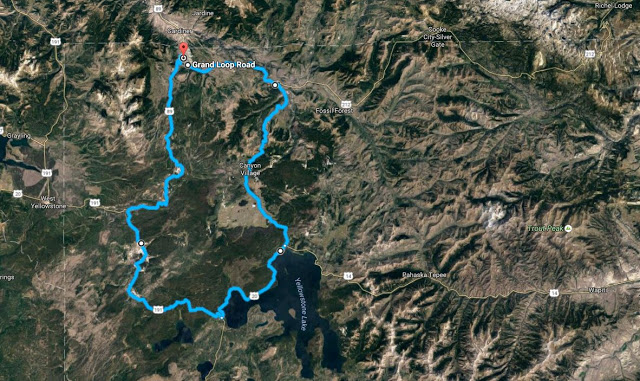
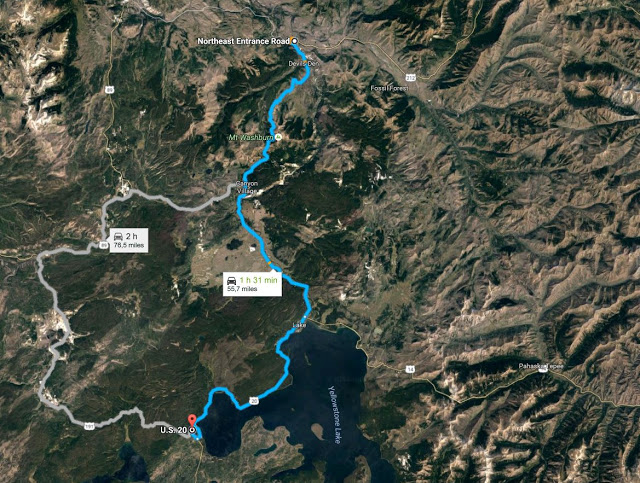
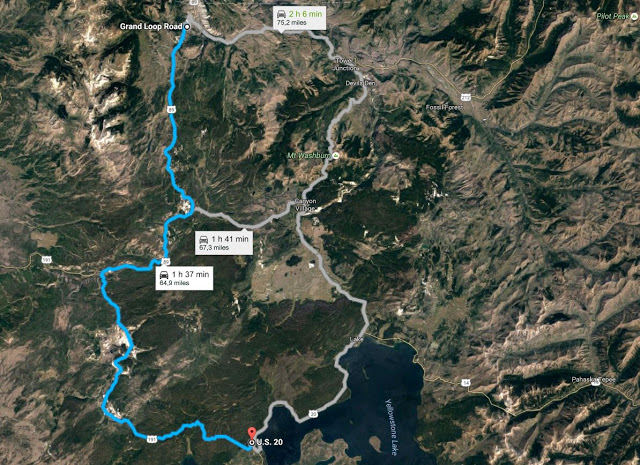
The intended loop through the park
approx. 140 miles
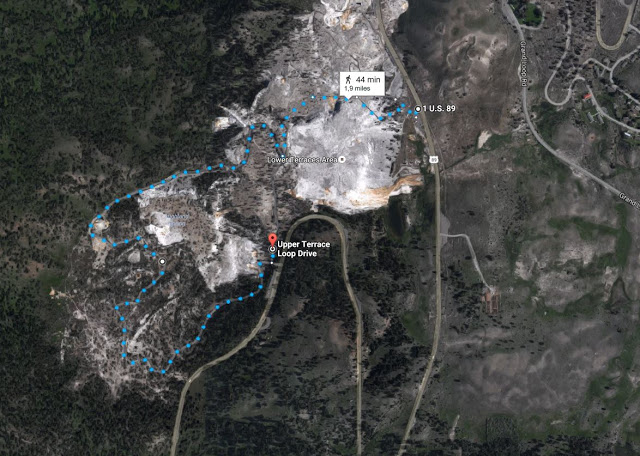
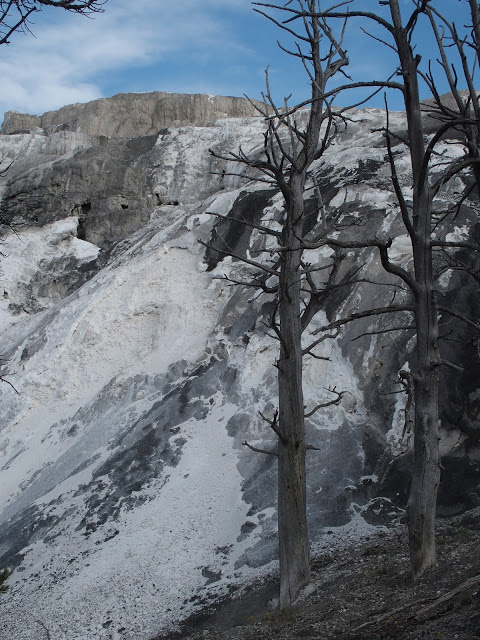
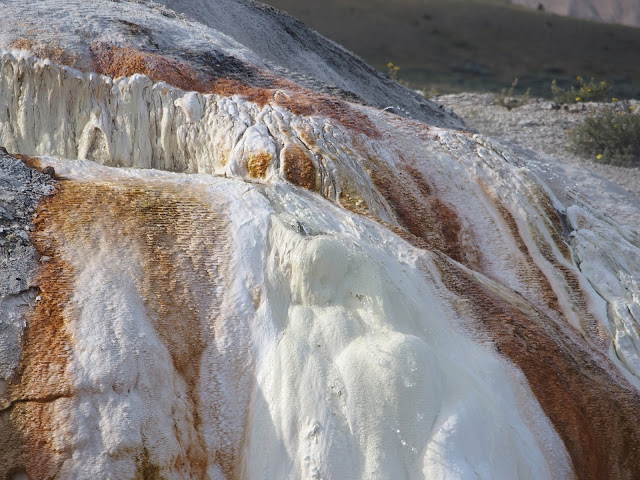
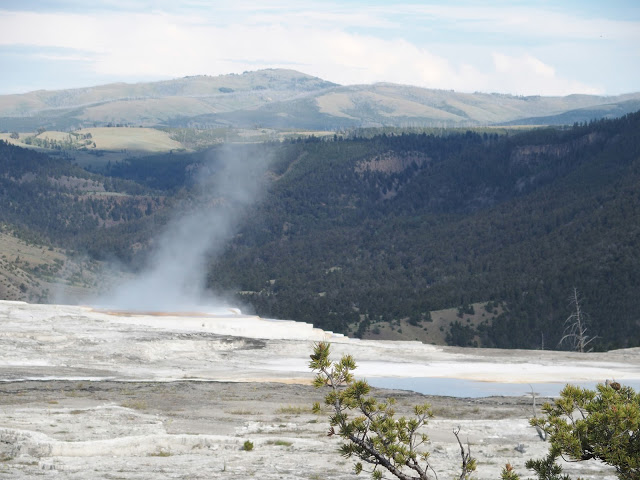
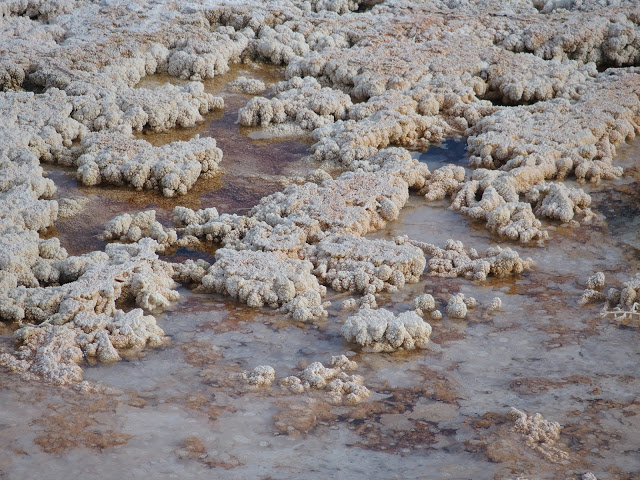
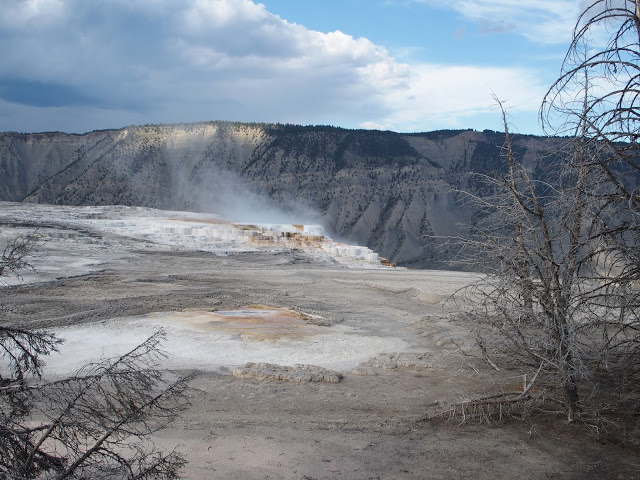
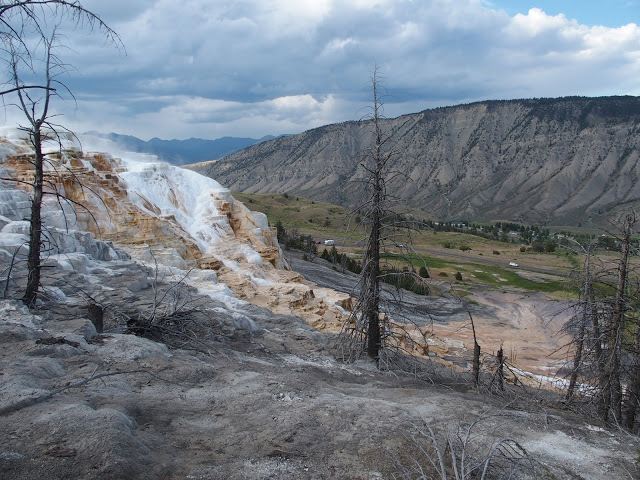
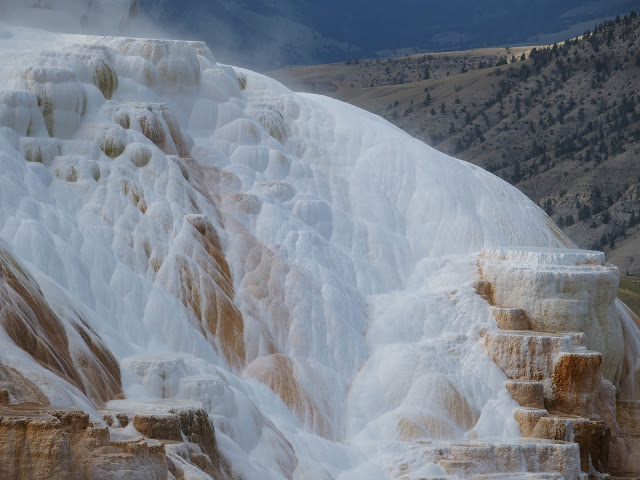
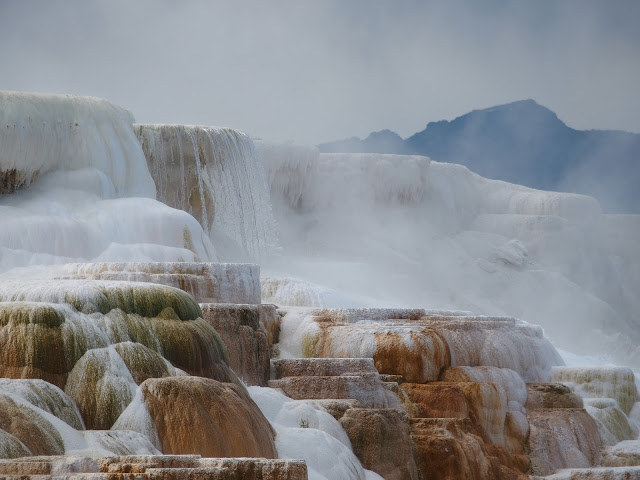
Mammoth Hot Springs
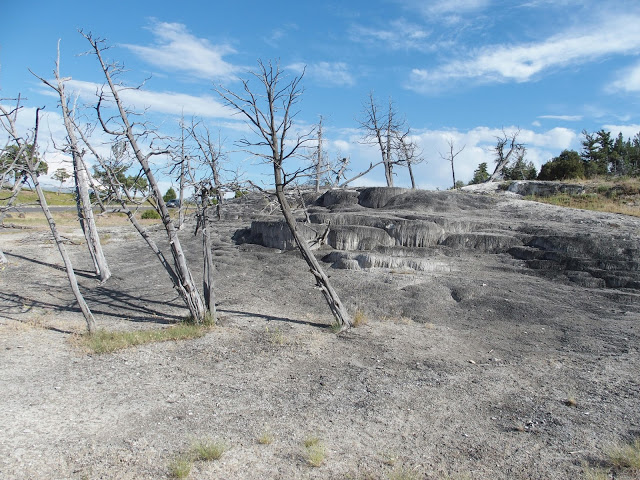
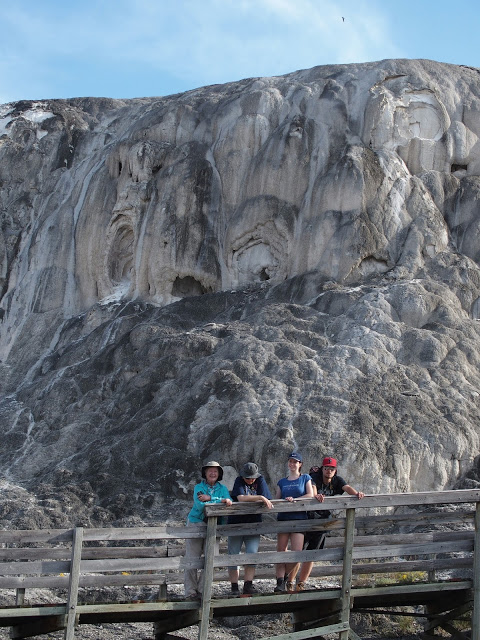
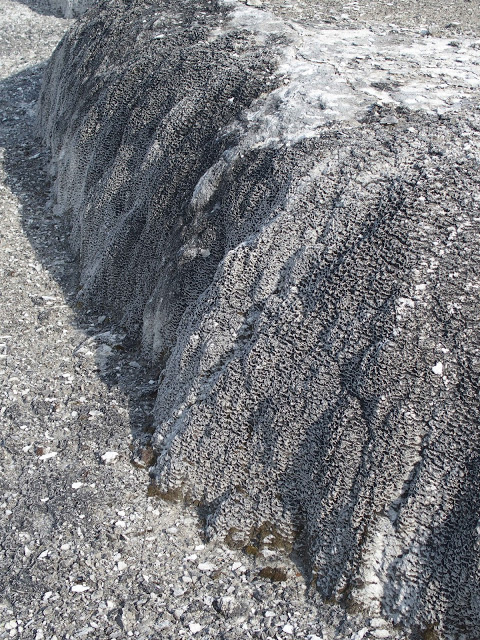
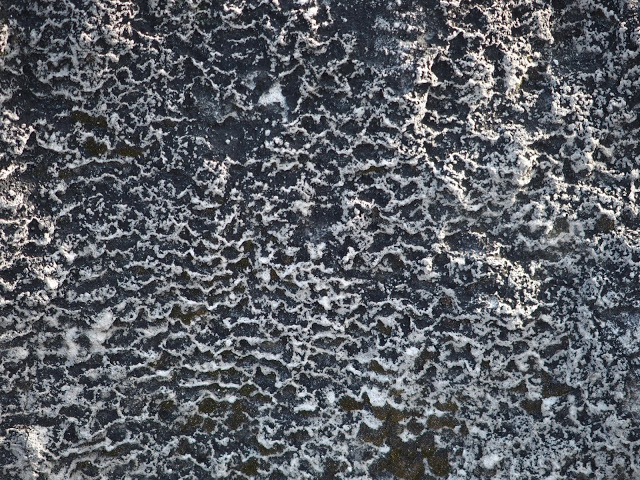
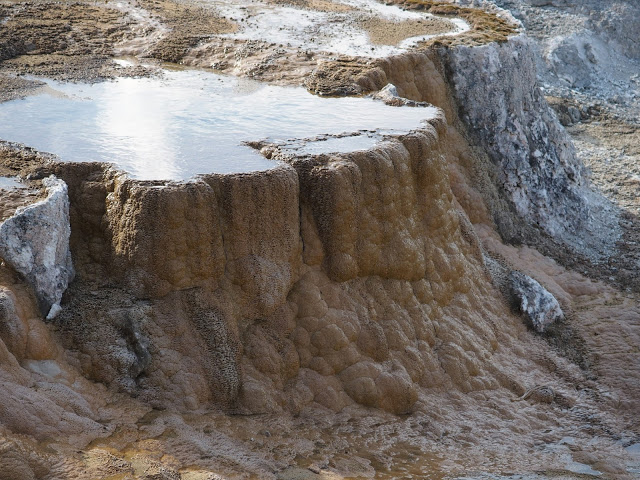
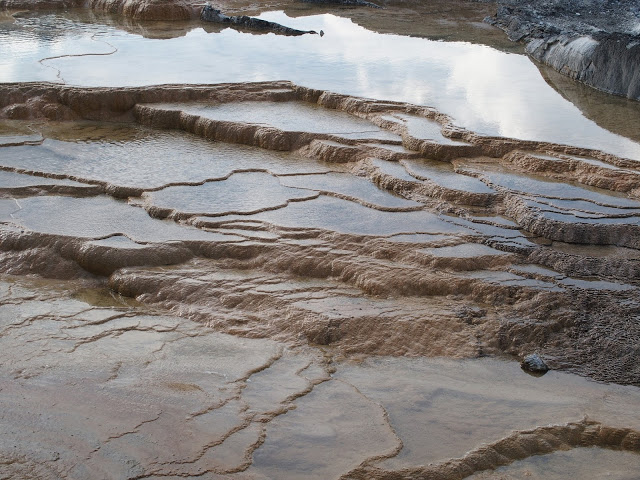
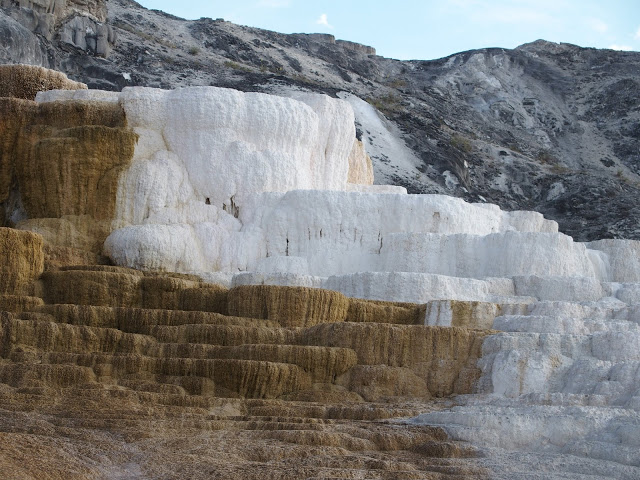
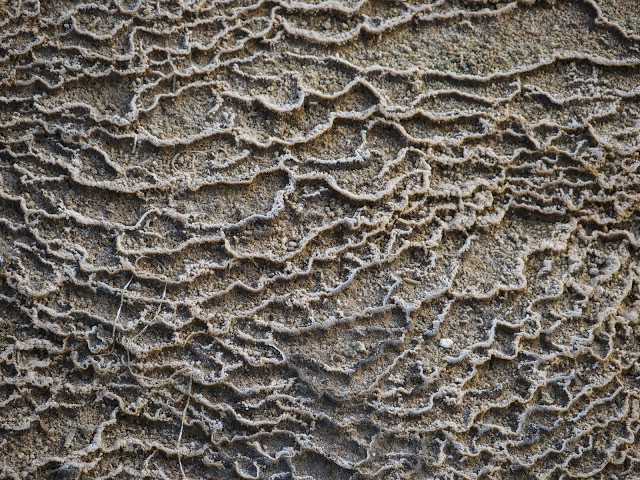
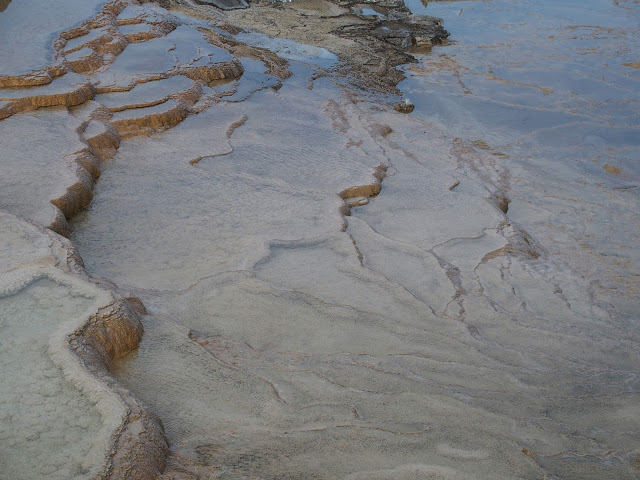
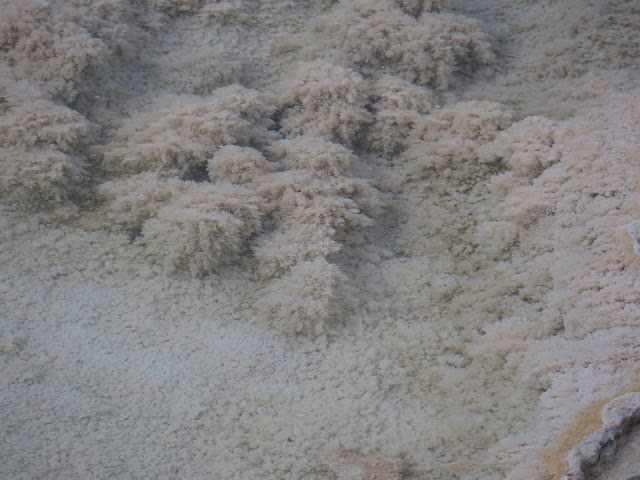
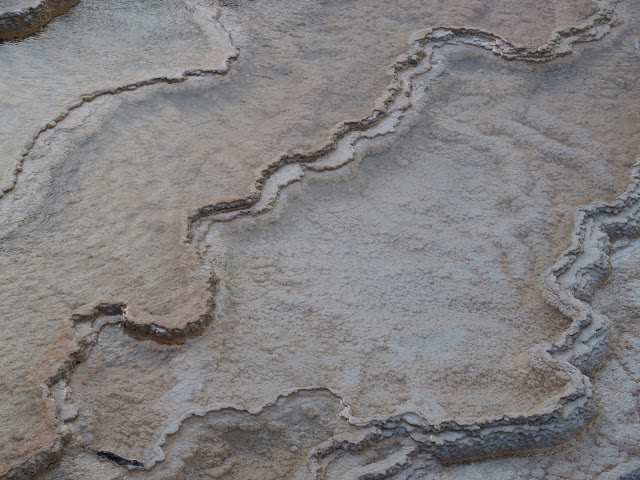
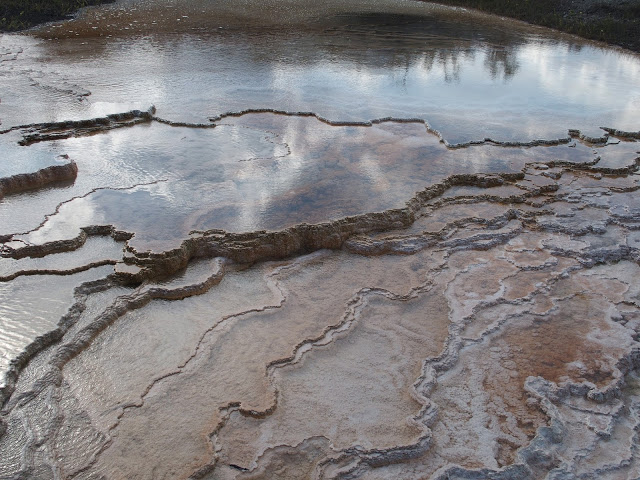
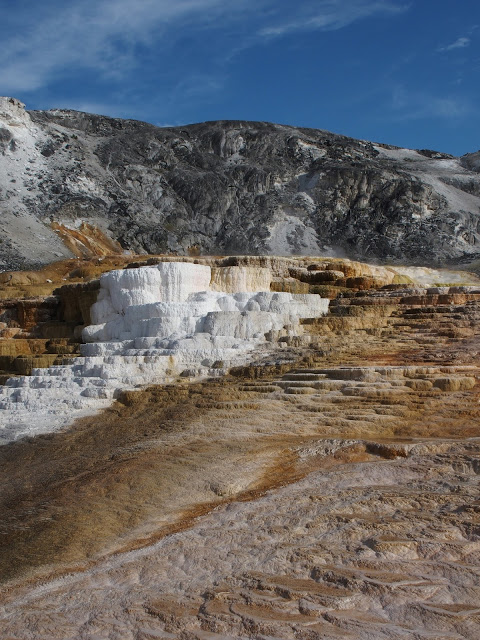
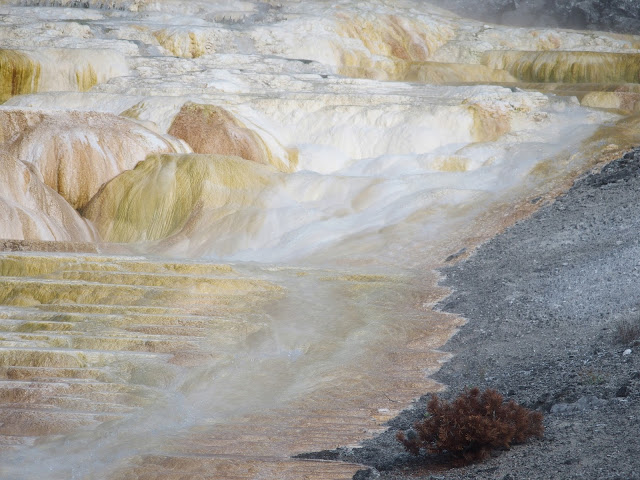
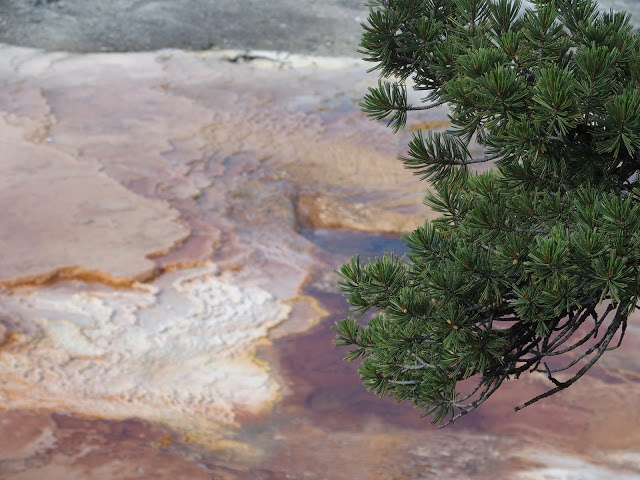
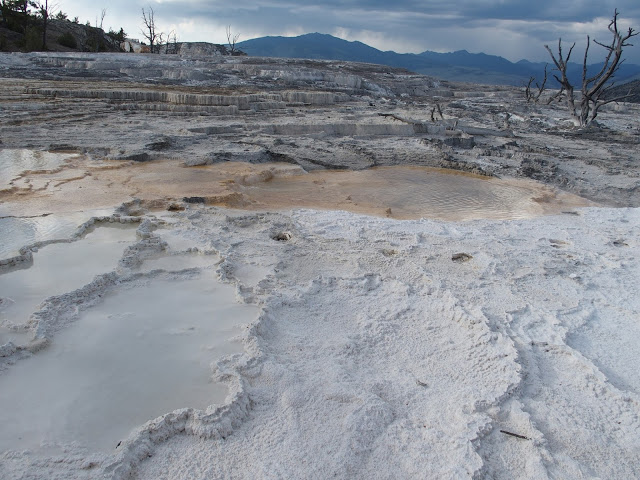
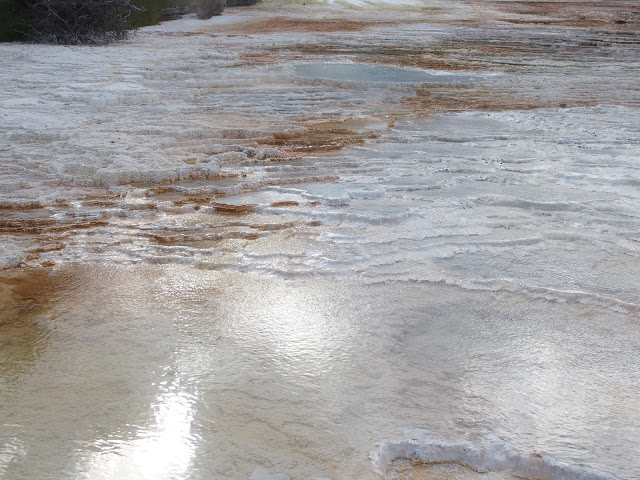
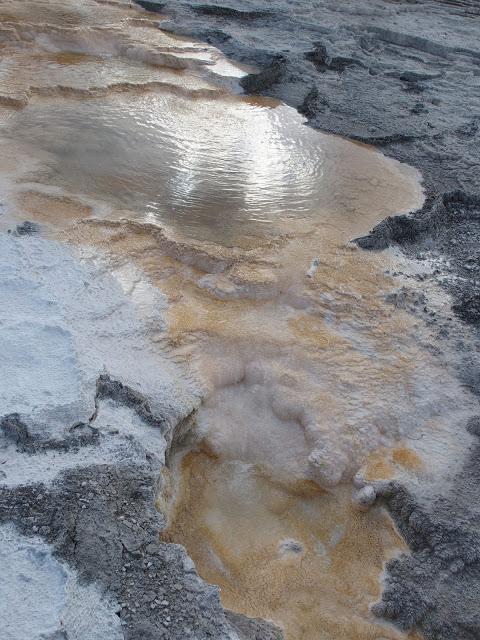
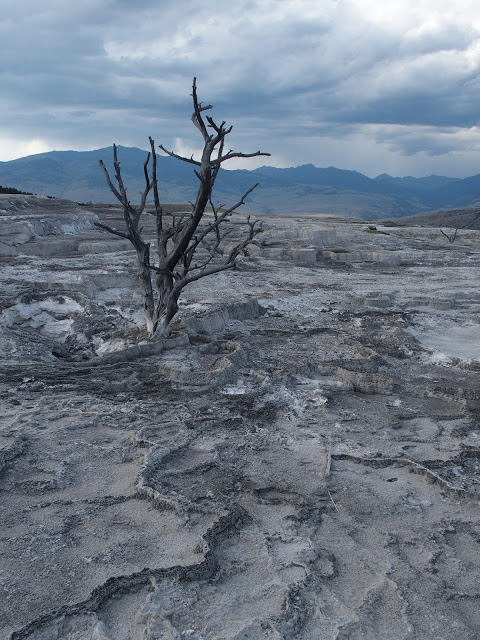
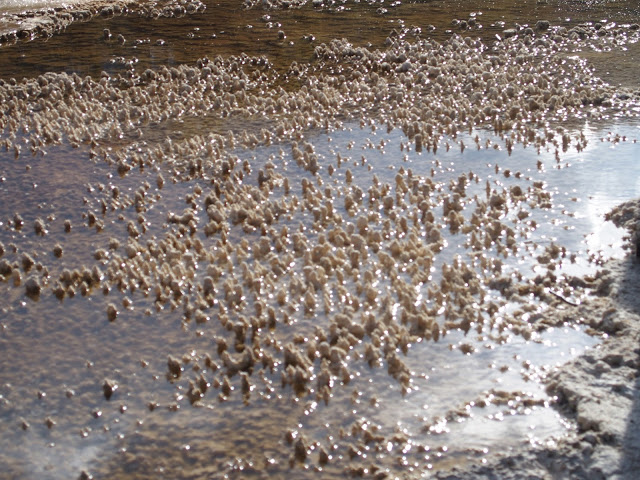
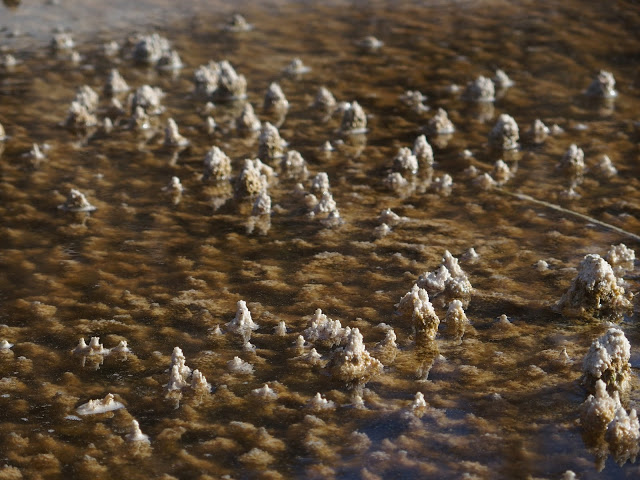
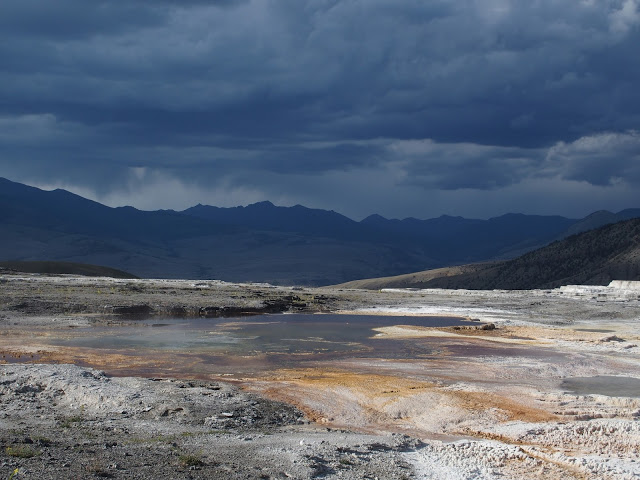
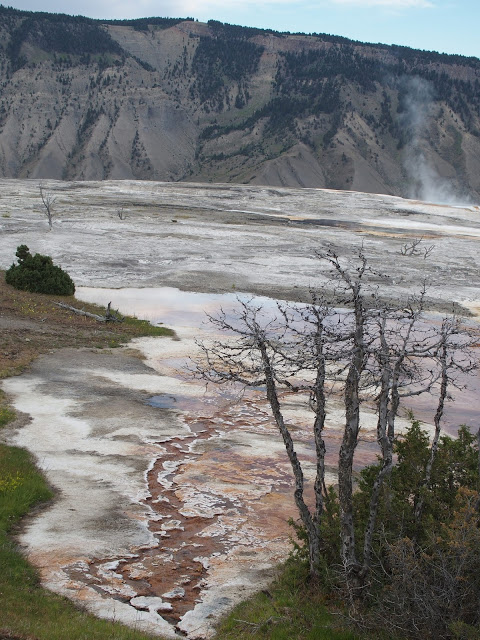
Mammoth Hot Springs is a large complex of hot springs on a hill of travertine in Yellowstone National Park adjacent to Fort Yellowstone and the Mammoth Hot Springs Historic District. It was created over thousands of years as hot water from the spring cooled and deposited calcium carbonate (over two tons flow into Mammoth each day in a solution). Because of the huge amount of geothermal vents, travertine flourishes. Although these springs lie outside the caldera boundary, their energy has been attributed to the same magmatic system that fuels other Yellowstone geothermal areas.
.
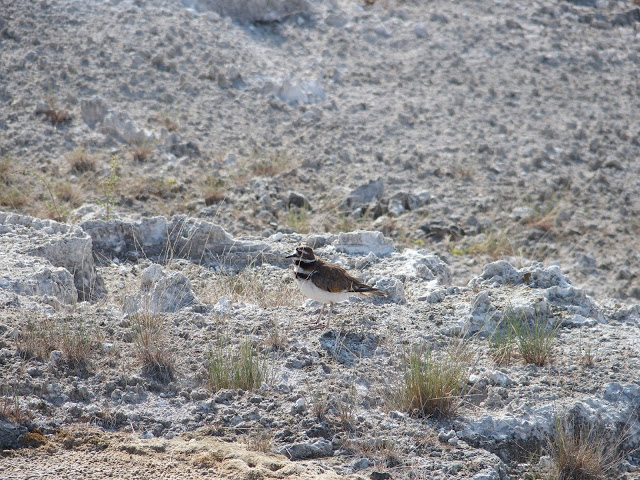
There are about 66 species in the subfamily, most of them called “plover” or “dotterel”. Plovers are found throughout the world, with the exception of the Sahara and the polar regions, and are characterized by relatively short bills. They hunt by sight, rather than by feel as longer-billed waders like snipes do. They feed mainly on insects, worms or other invertebrates, depending on habitat, which are obtained by a run-and-pause technique, rather than the steady probing of some other wader groups.
.
.
.
.
.
.
.
.
.
.
.
.
.
.
.
.
.
.
.
.
.
.
.
.
.
.
.
.
. .
.
.
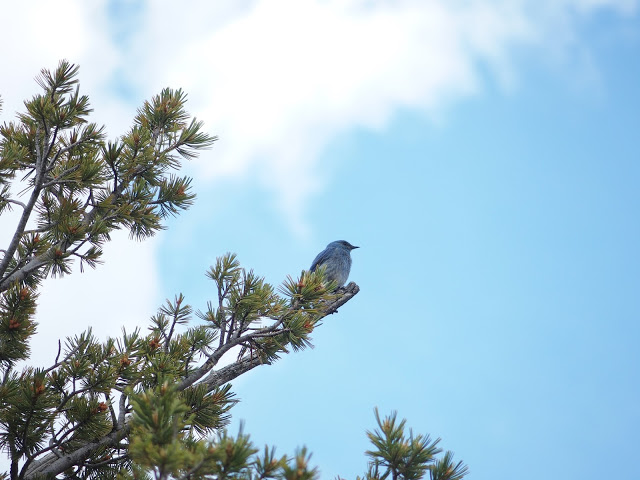
Mountain Bluebird (Sialia currucoides)
Mountain Bluebirds are common in the West’s wide-open spaces, particularly at middle and higher elevations. They breed in native habitats such as prairie, sagebrush steppe, and even alpine tundra; anywhere with open country with at least a few trees that can provide nest cavities. They also readily take to human-altered habitats, often nesting in bluebird boxes and foraging in pastures.
.
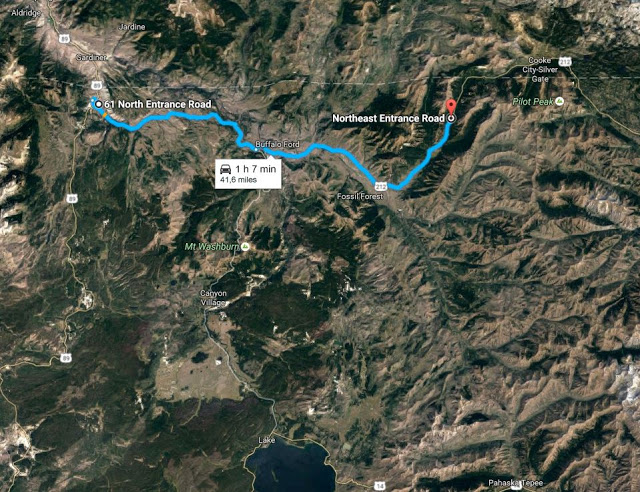
Lamar Valley
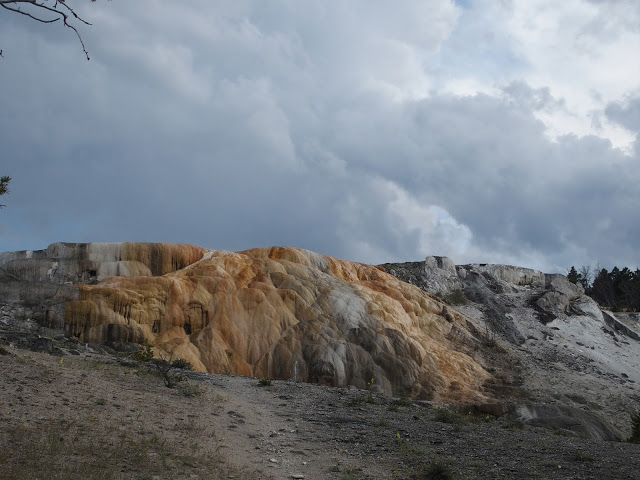
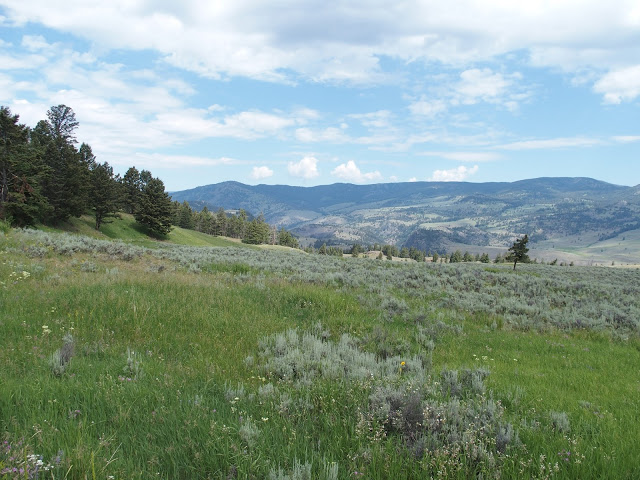
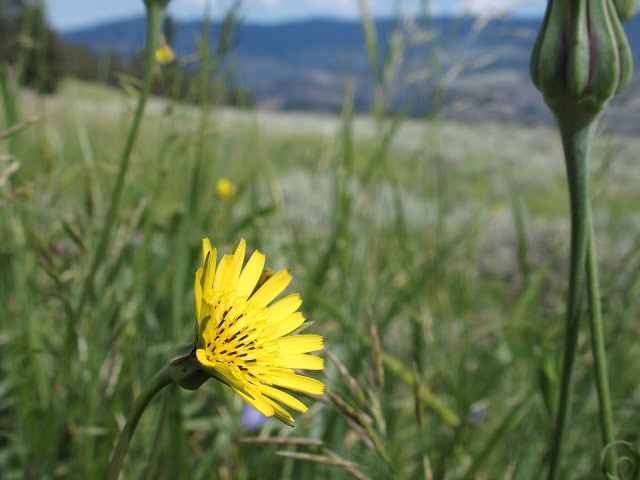
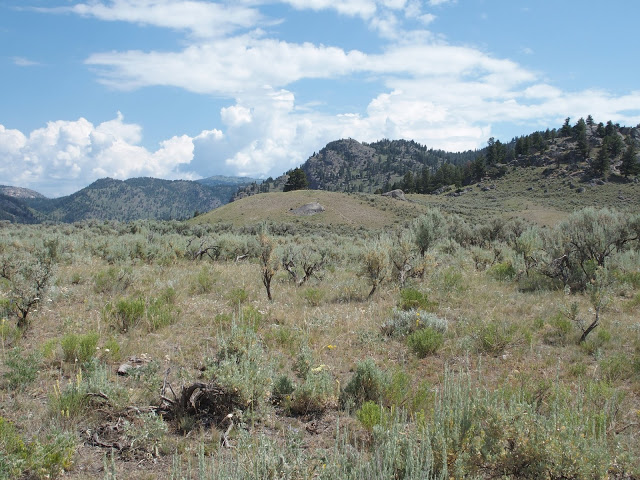
This wide, expansive valley is home to bison, elk, coyote, grizzly and wolf, and is must-visit area for serious wildlife watchers. Bison and elk are readily visible, and coyotes can oftentimes be spotted. Visitors who are willing to rise early in the morning or wait up until dusk also may have the opportunity to see bears and wolves. In fact, Lamar Valley is the #1 destination for viewing wolves.
.
.
.
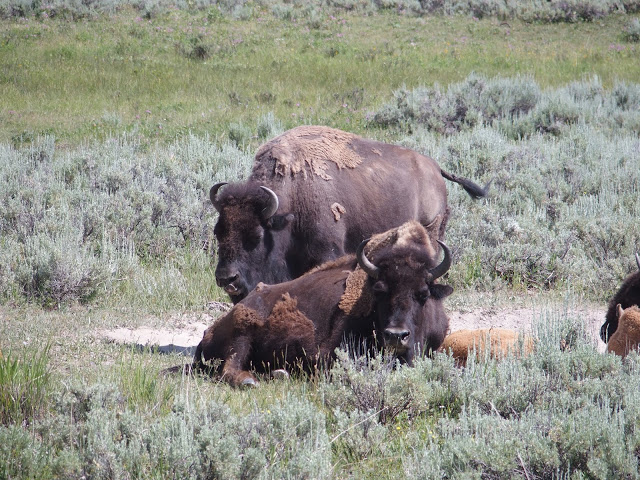
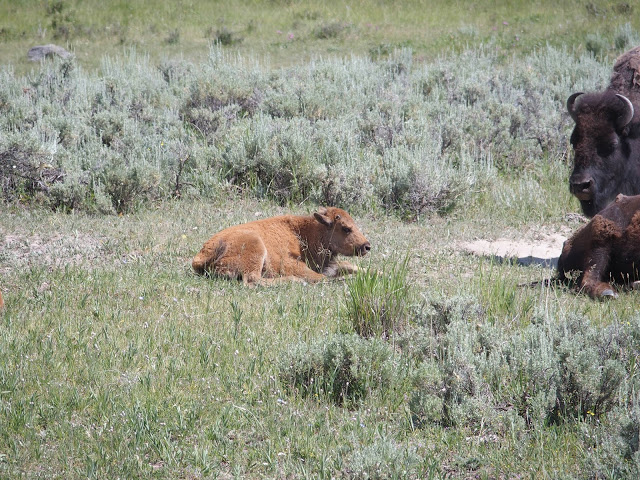
Is it a Bison or a Buffalo?
In North America, both “bison” and “buffalo” refer to the American bison (Bison bison). Generally, “buffalo” is used informally; “bison” is preferred for more formal or scientific purposes. Early European explorers called this animal by many names. Historians believe that the term “buffalo” grew from the French word for beef, “boeuf.”
. .
.
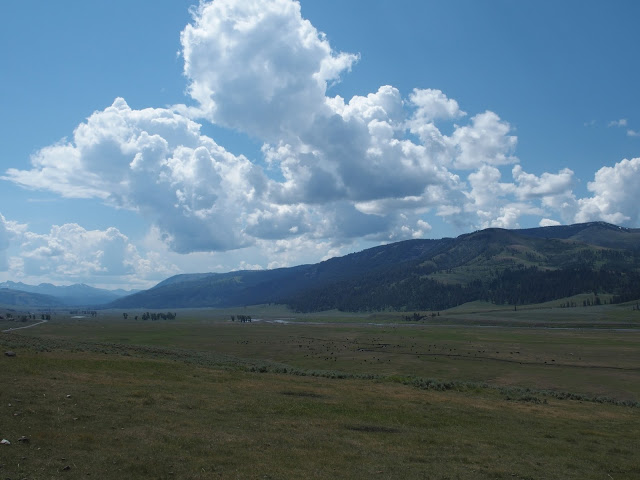
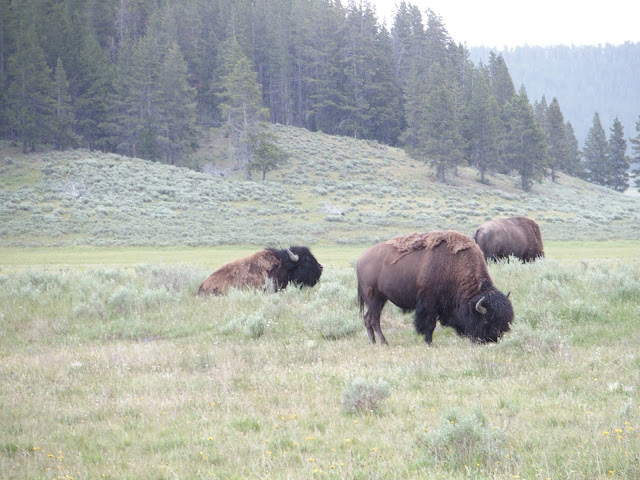
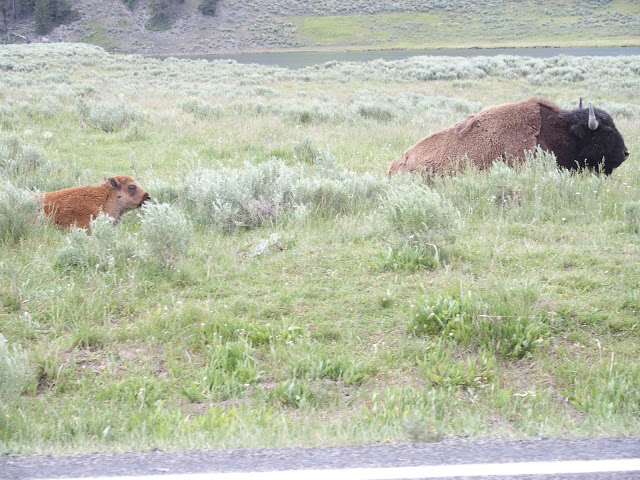
American Bison (Bison bison)
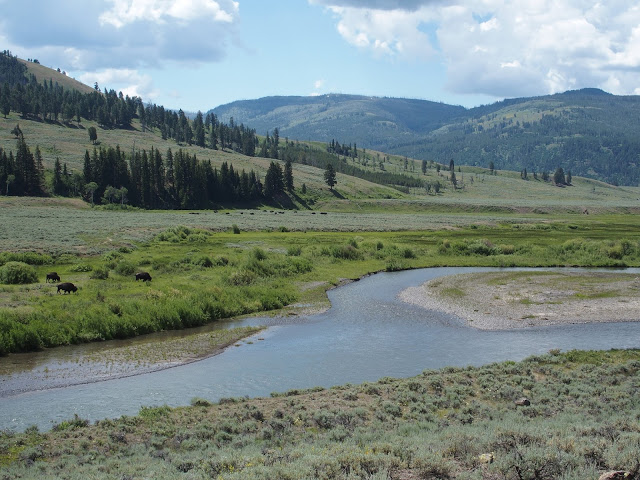
The bison population fluctuates from 2,300 to 5,000 animals in two subpopulations, defined by where they gather for breeding. The northern herd breeds in the Lamar Valley and on the high plateaus around it. The central herd breeds in Hayden Valley.
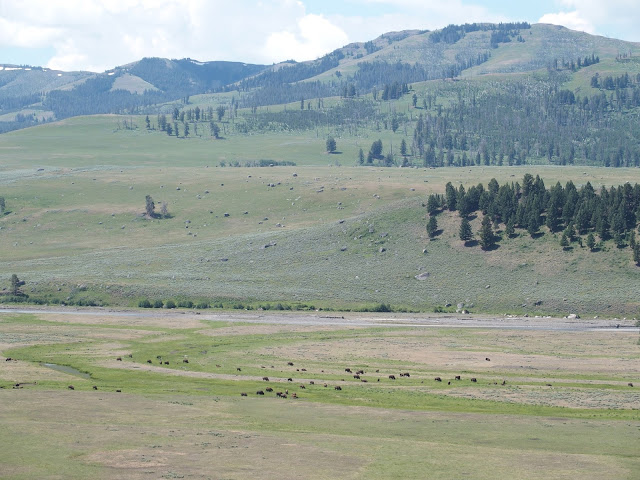
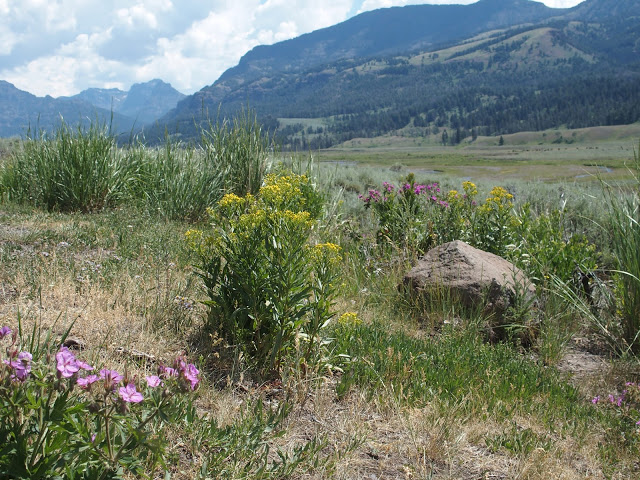
These pictures are from the Lamar Valley (northern part of the park)
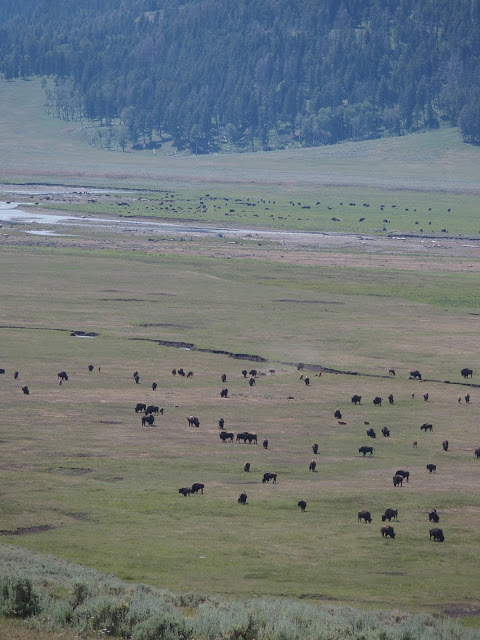
.
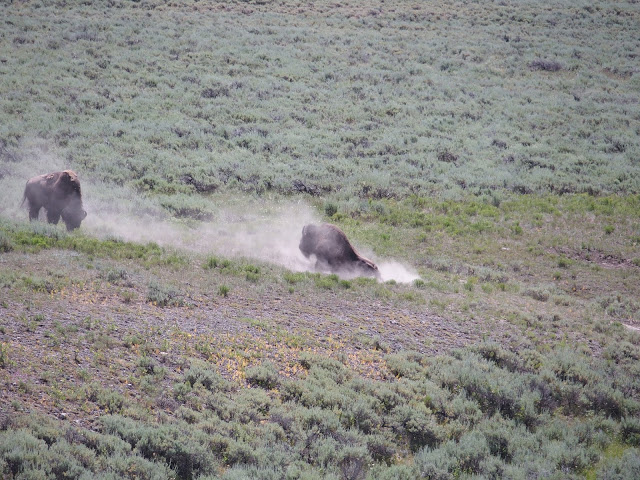
They sure love to roll in the dirt.
Prairie Dogs create the best bison dirt bathing areas.
.
. .
.
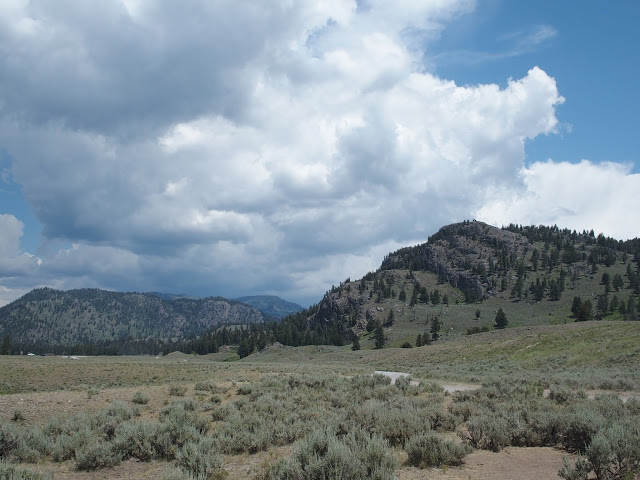
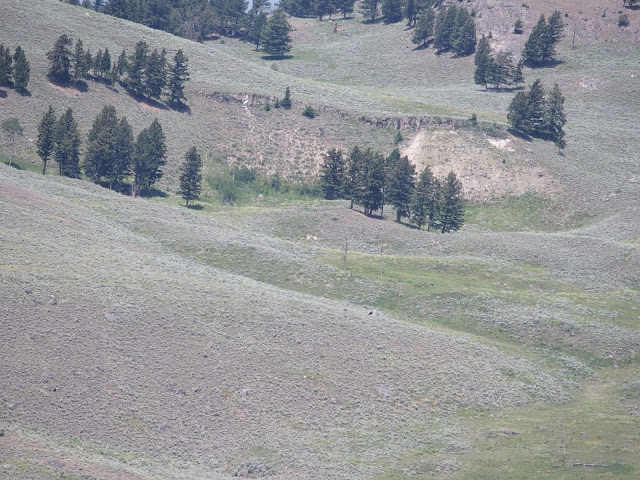
Wolves of the Lamar Valley pack
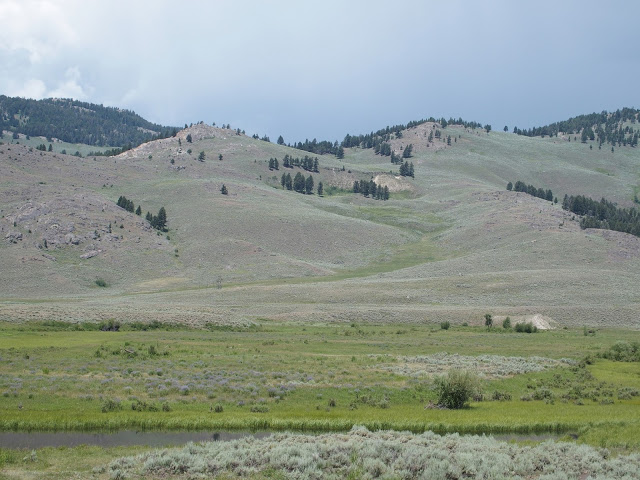
Zoomed in on the den, (but still no signs of the 8 pups, nor the pack)
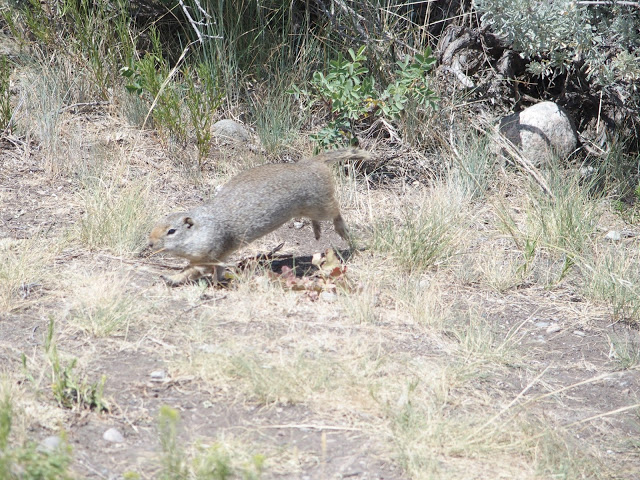
Uinta ground squirrel (Spermophilus armatus)
The squirrels make six distinct vocalisations: chirps, squeals, squawks, trills, growls, and teeth clattering. These are used primarily as a means of gaining attention, and all are used in aggressive interactions between individuals. However, chirps are also used to warm of aerial predators, and trills to warn of predators on the ground, with squirrels hearing them either adopting an alert posture or running for their burrows.
Uinta ground squirrels are only active for a few months each year. Adult males wake from hibernation around mid March, but may wait a few weeks before emerging, depending upon the weather. Females emerge slightly later, followed by female and then male yearlings. Adults return to their burrows to hibernate between late July and mid August, with juveniles following about two weeks later.
This one was on the move!
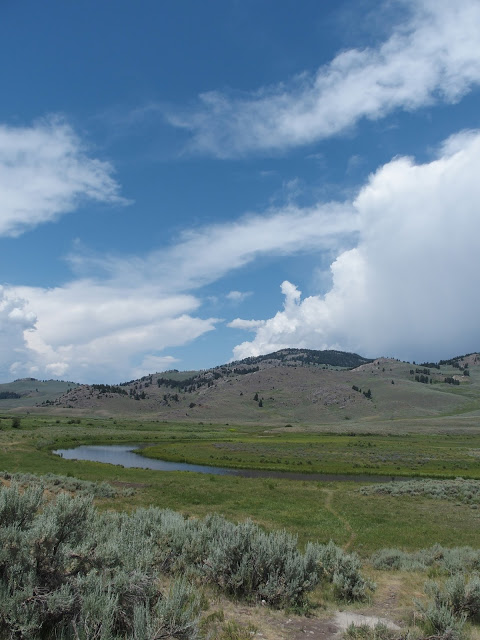
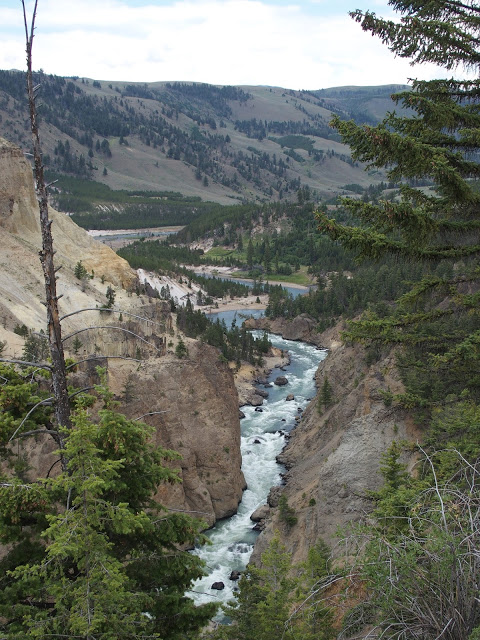
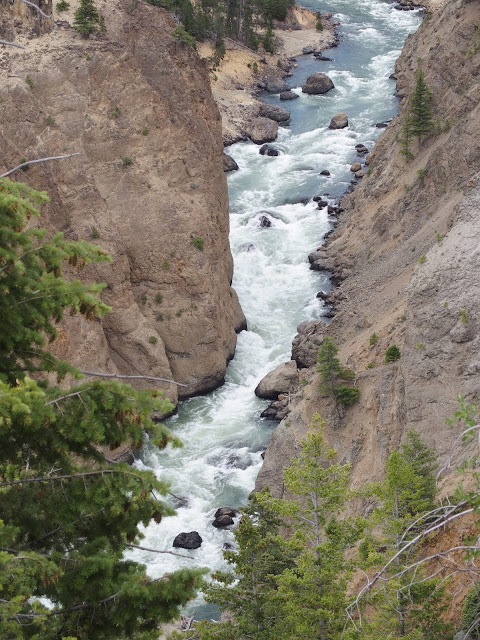
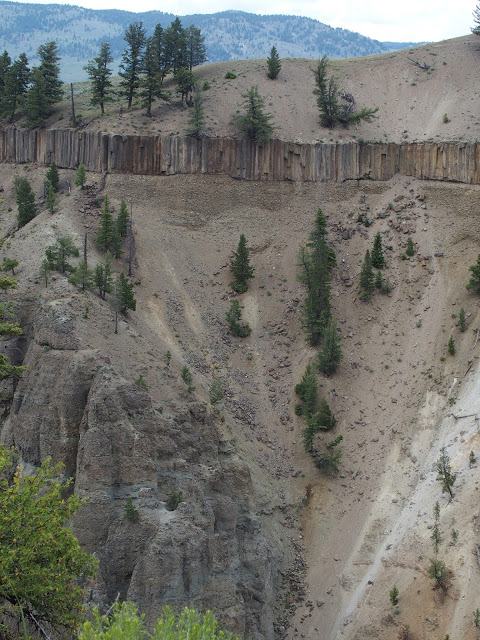
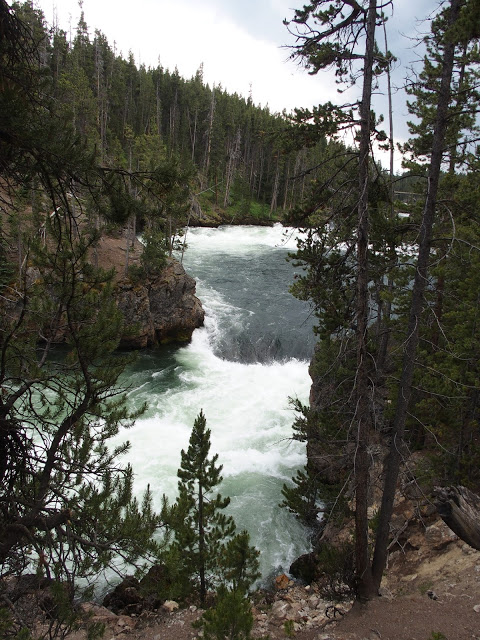
Yellowstone River
.
.
.
.
.
.
.
.
.
. .
.
.
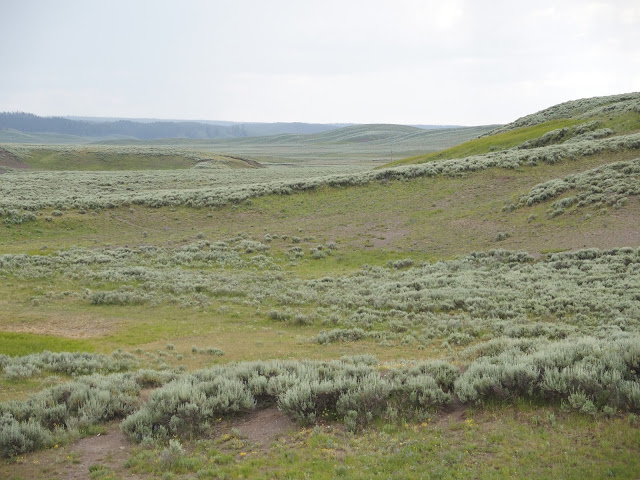
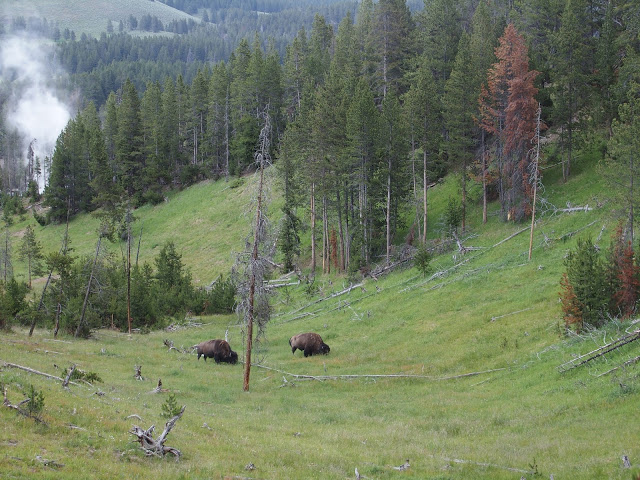
We found the second Buffalo herd, in Hayden Valley.
.
.
. .
.
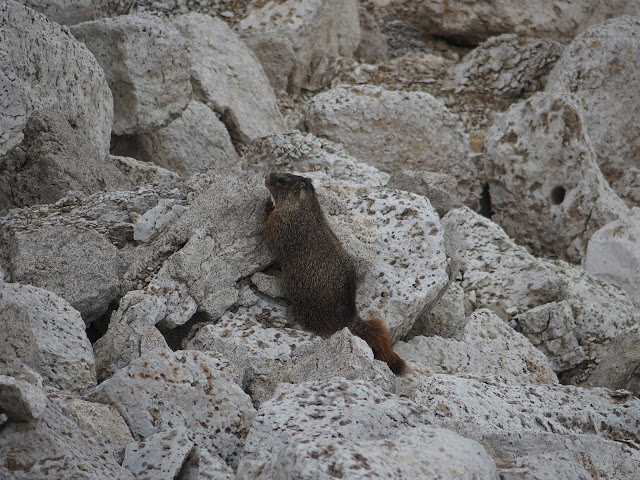
Yellow-bellied Marmot (Marmota flaviventris), also known as the Rock Chuck
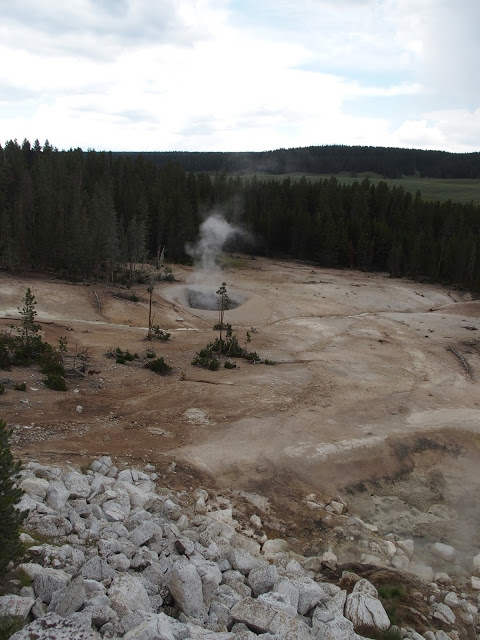
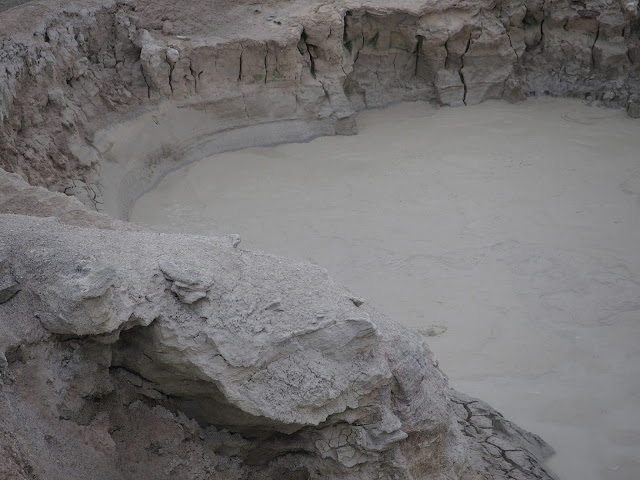
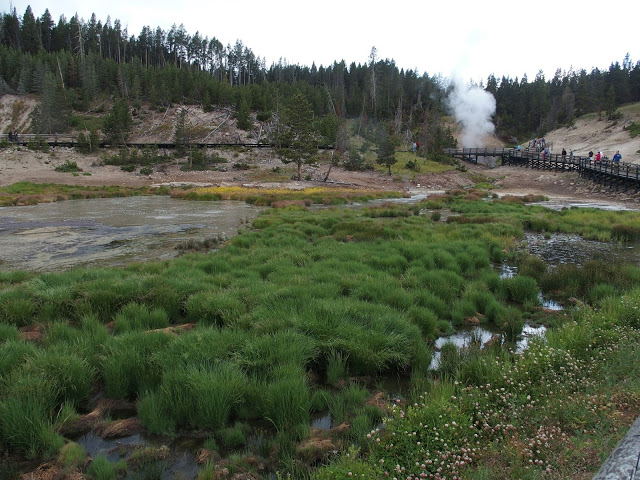
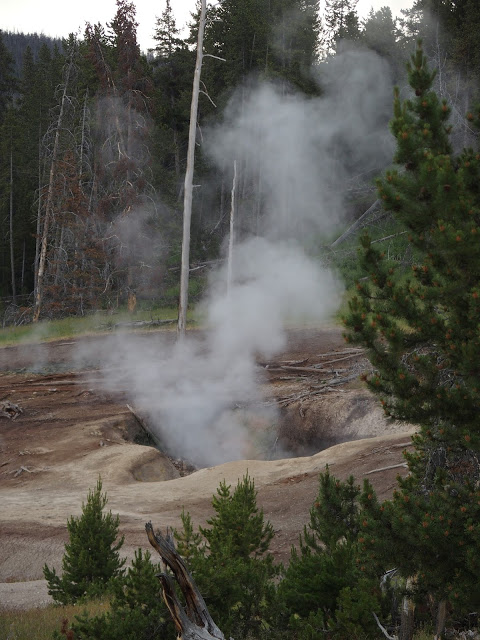
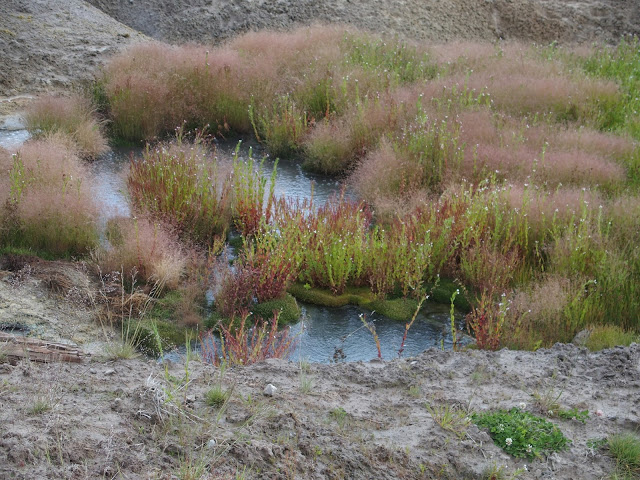
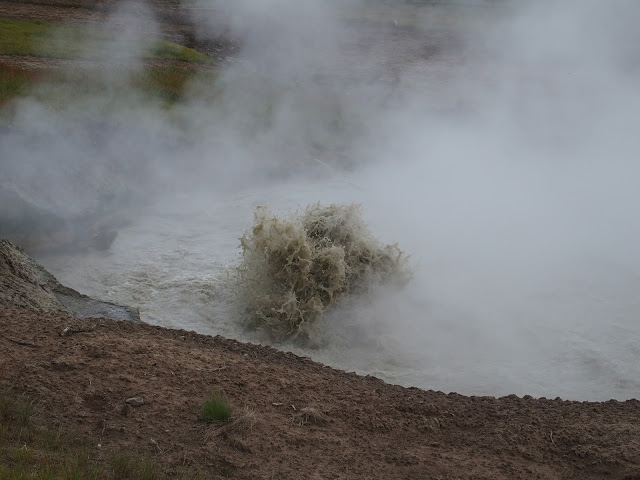
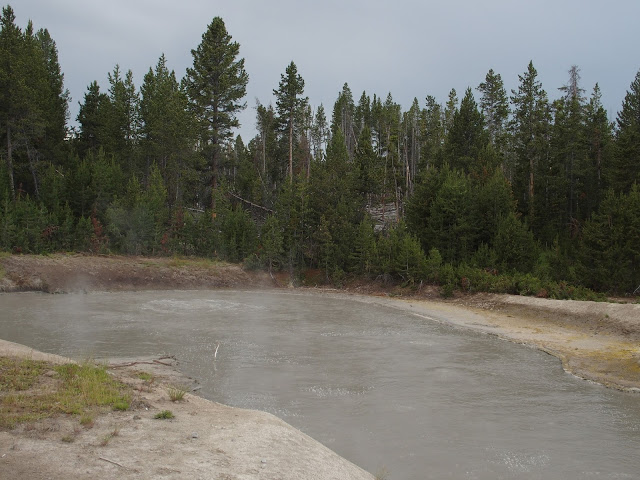
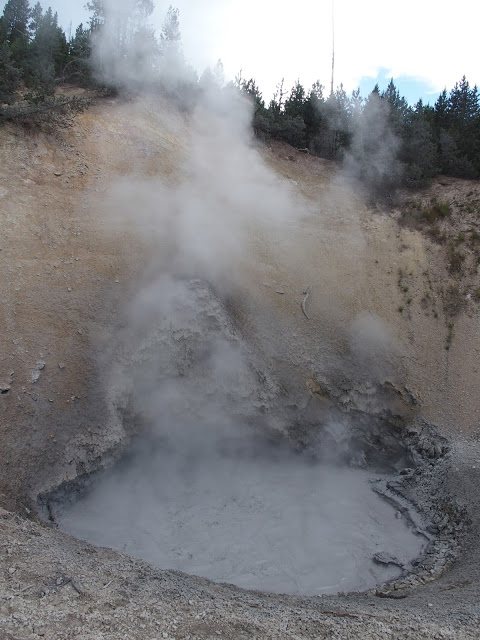
Mud Pots
After coming upon Mud Volcano during his 1871 expedition to Yellowstone, Ferdinand Hayden described the mudpot as “the greatest marvel we have met with.”
.
.
. .
.
.
.
.
.
.
.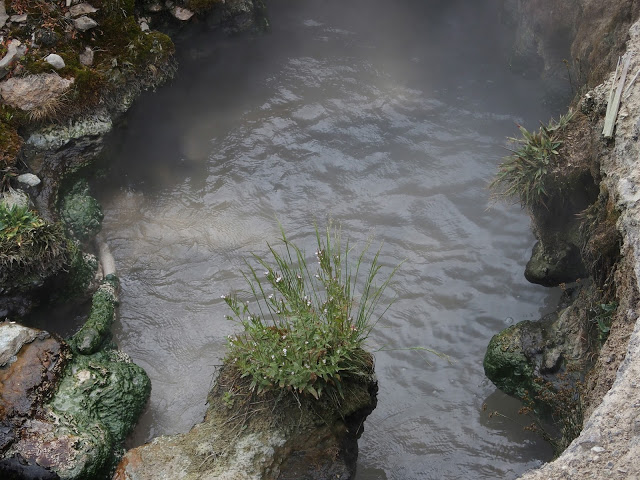
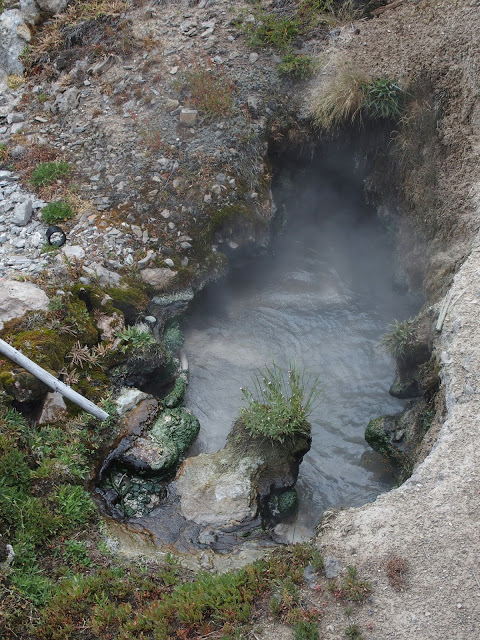
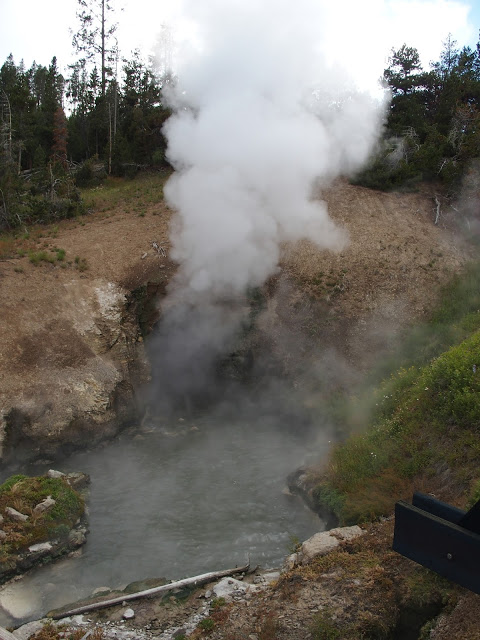
Dragon’s Mouth
.
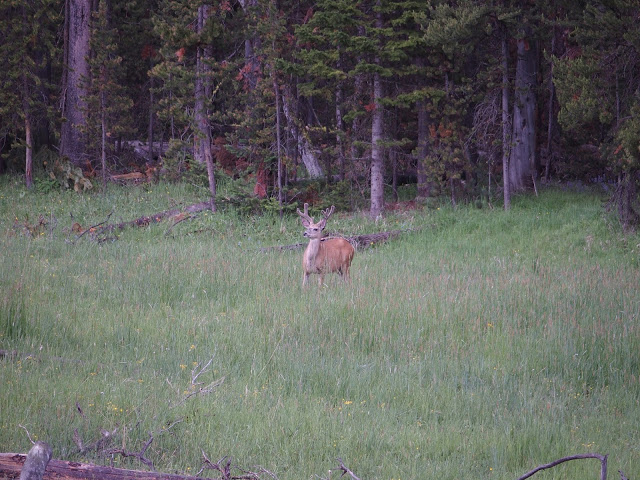
Mule deer (Odocoileus hemionus), with ivory covered antlers
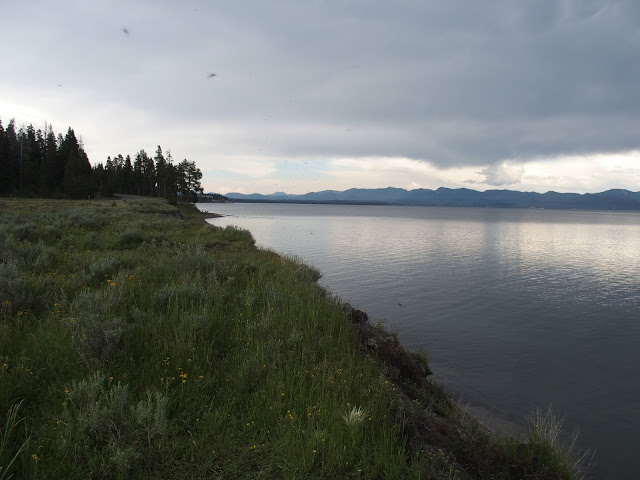
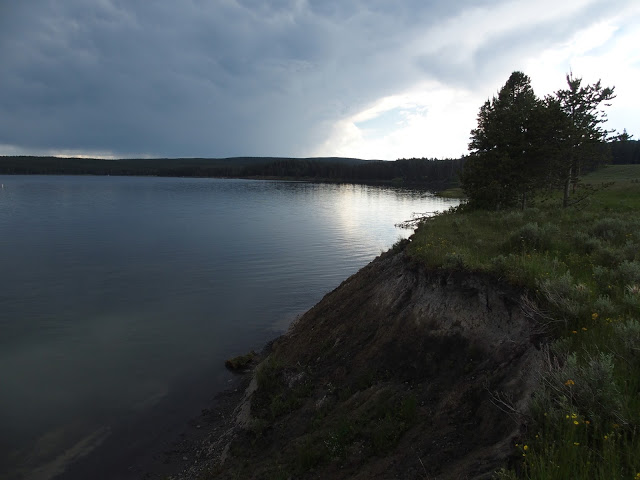
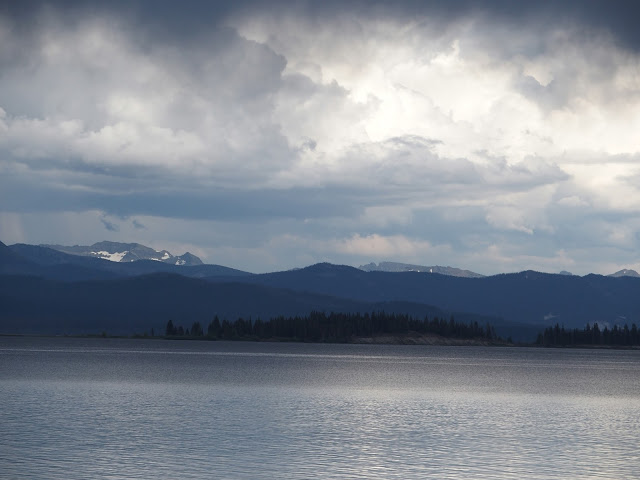
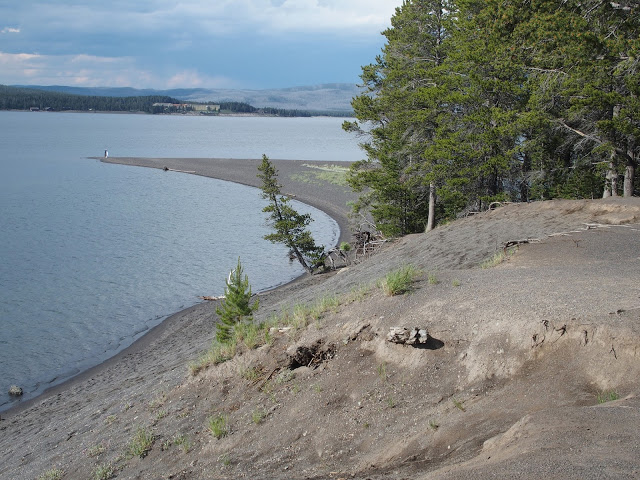
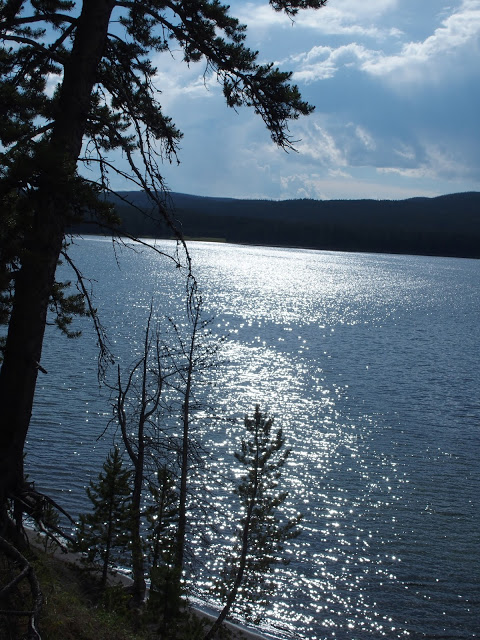
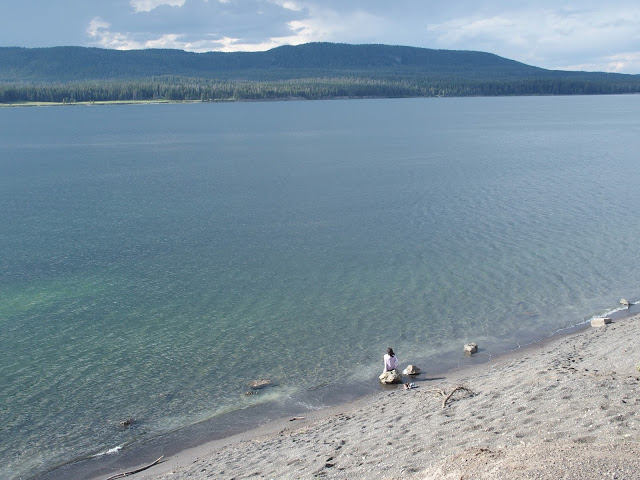
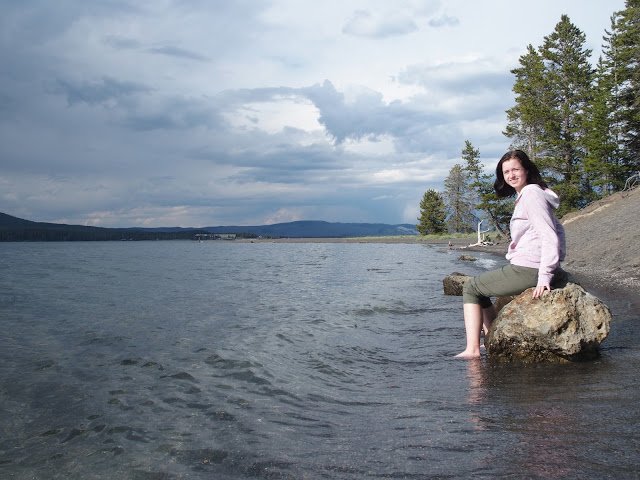
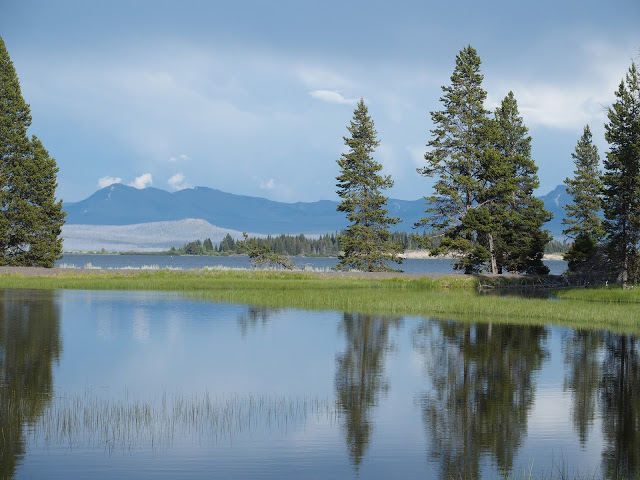
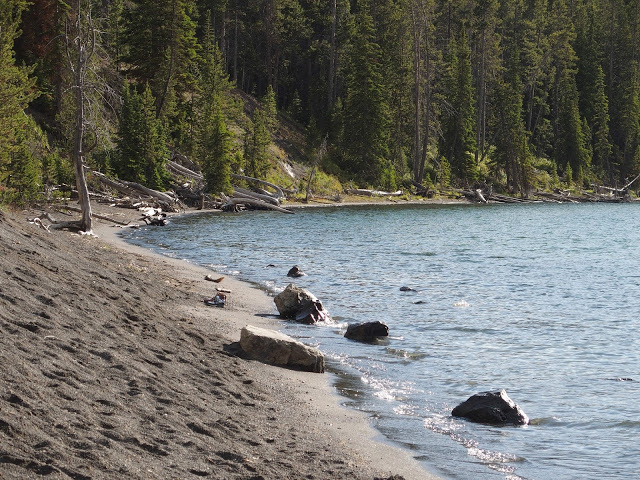
Yellowstone Lake
 .
.

.
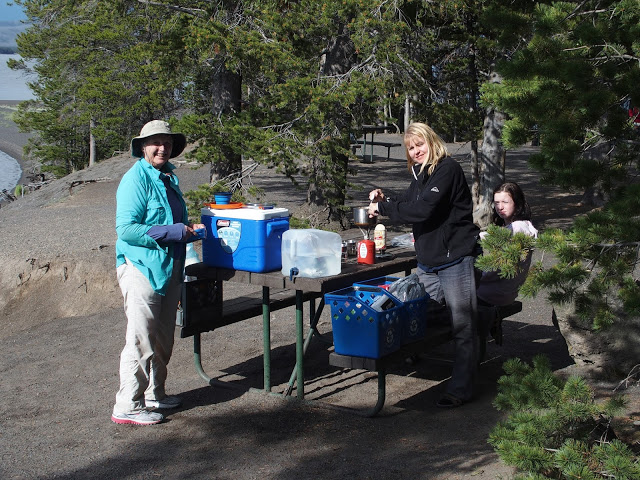
Preparing dinner
.
.
.
.
. .
.
.
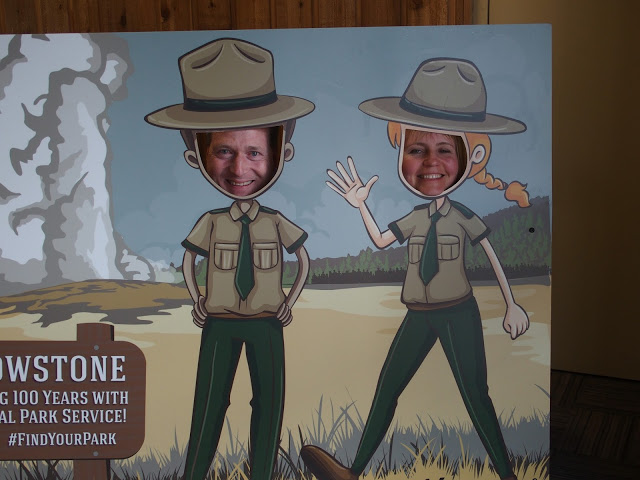
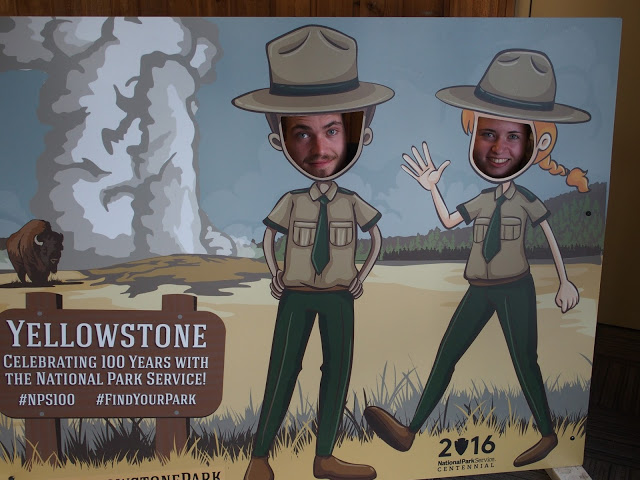
Taking over the park?
.
.
Heading up the west side of the park
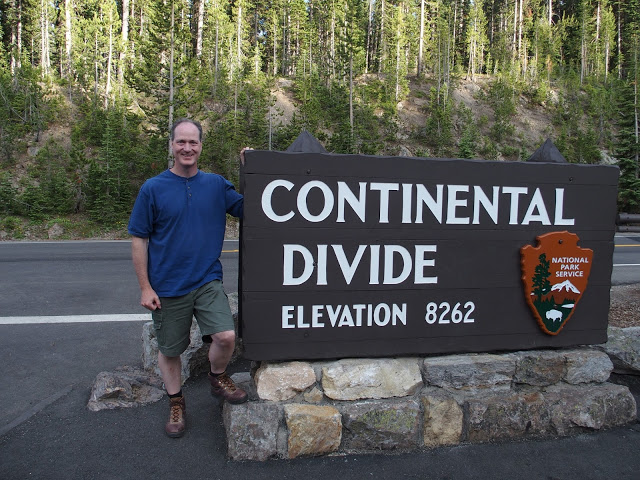
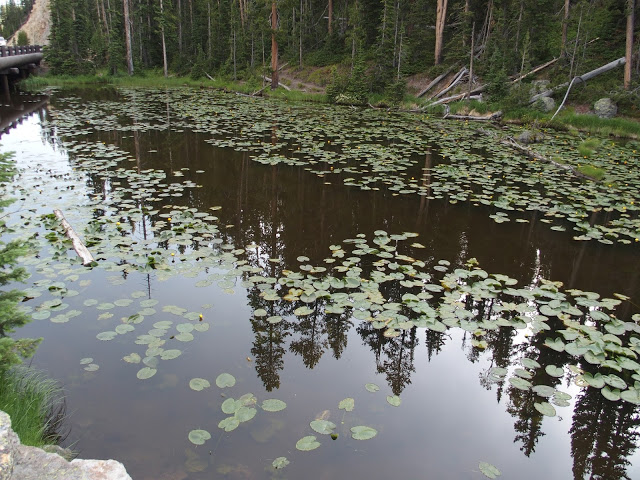
Craig Pass
44°26’30.6″N
110°43’05.6″W
.
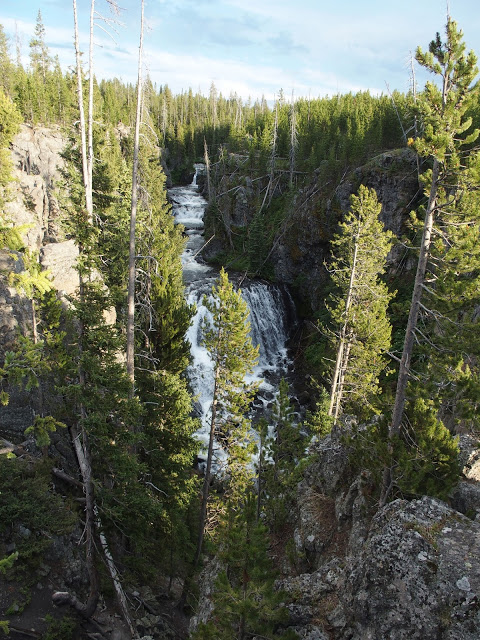
Spring Creek
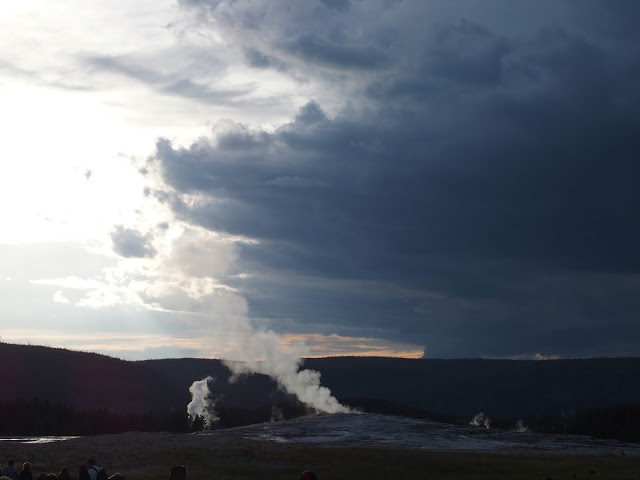
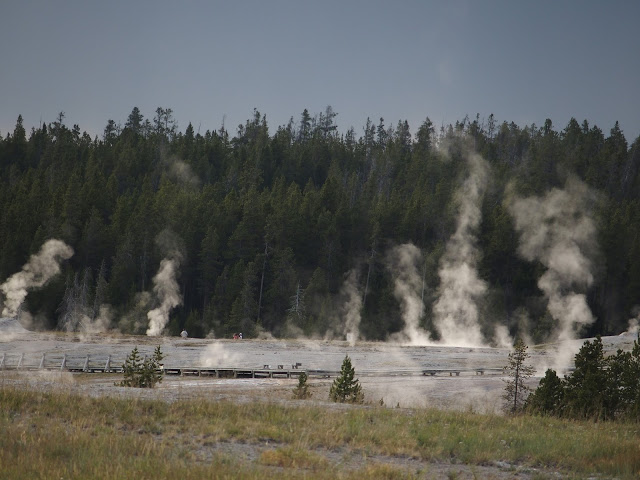
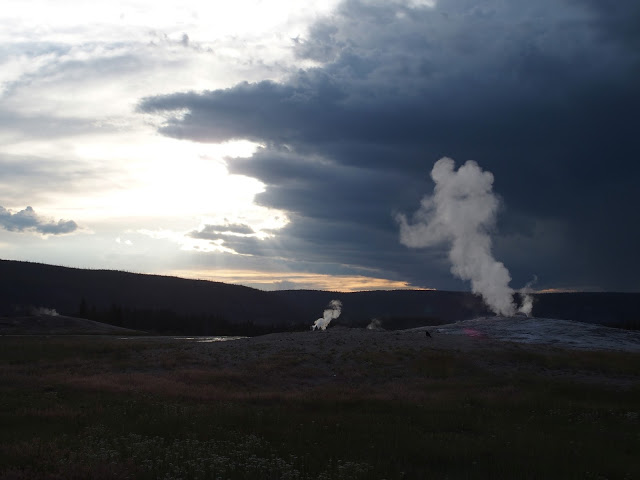
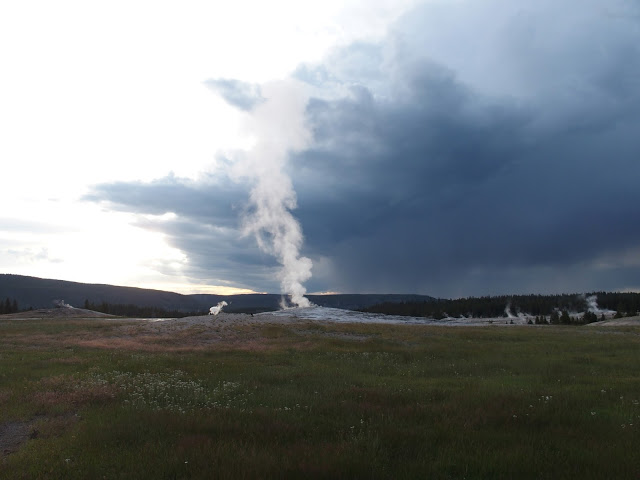
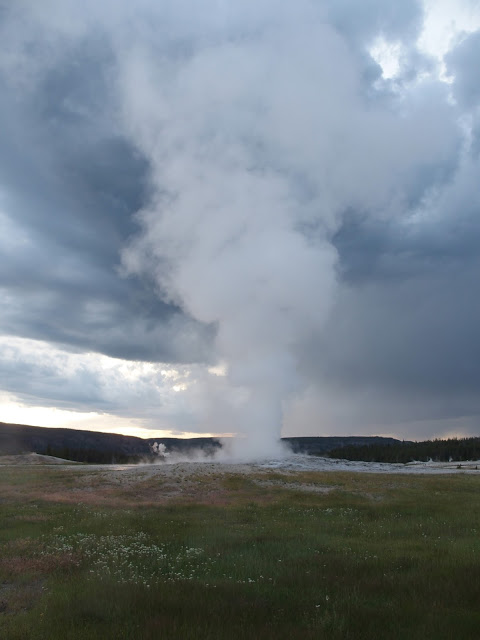
Old Faithful
44°27’34.5″N
110°49’42.0″W
.
.
.
.
Grand Prismatic Spring
44°31’04.4″N
110°49’32.1″W
.
.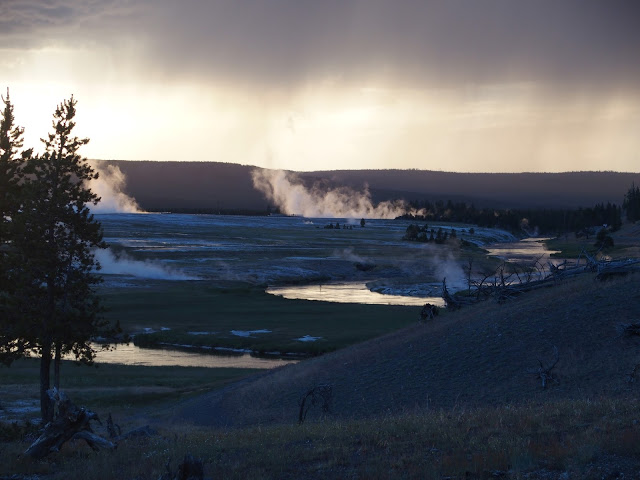
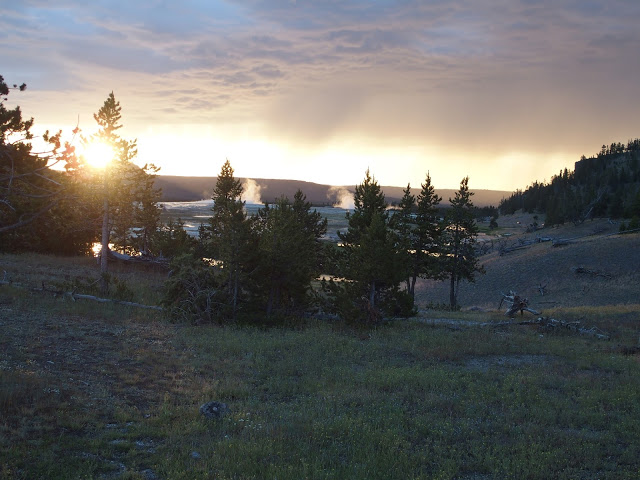
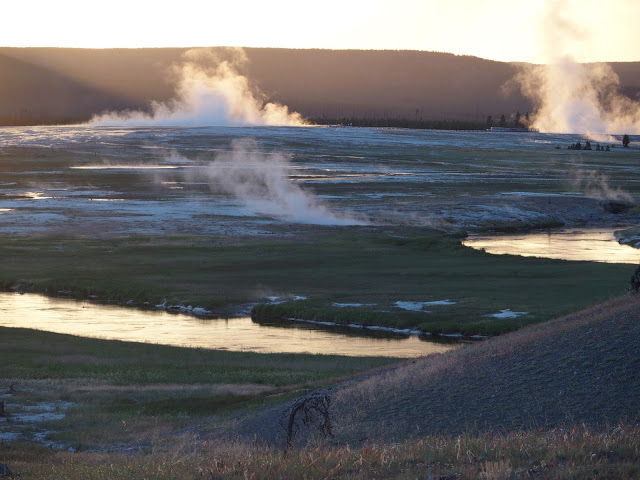
Time to head back to our campsite as the sun sets.